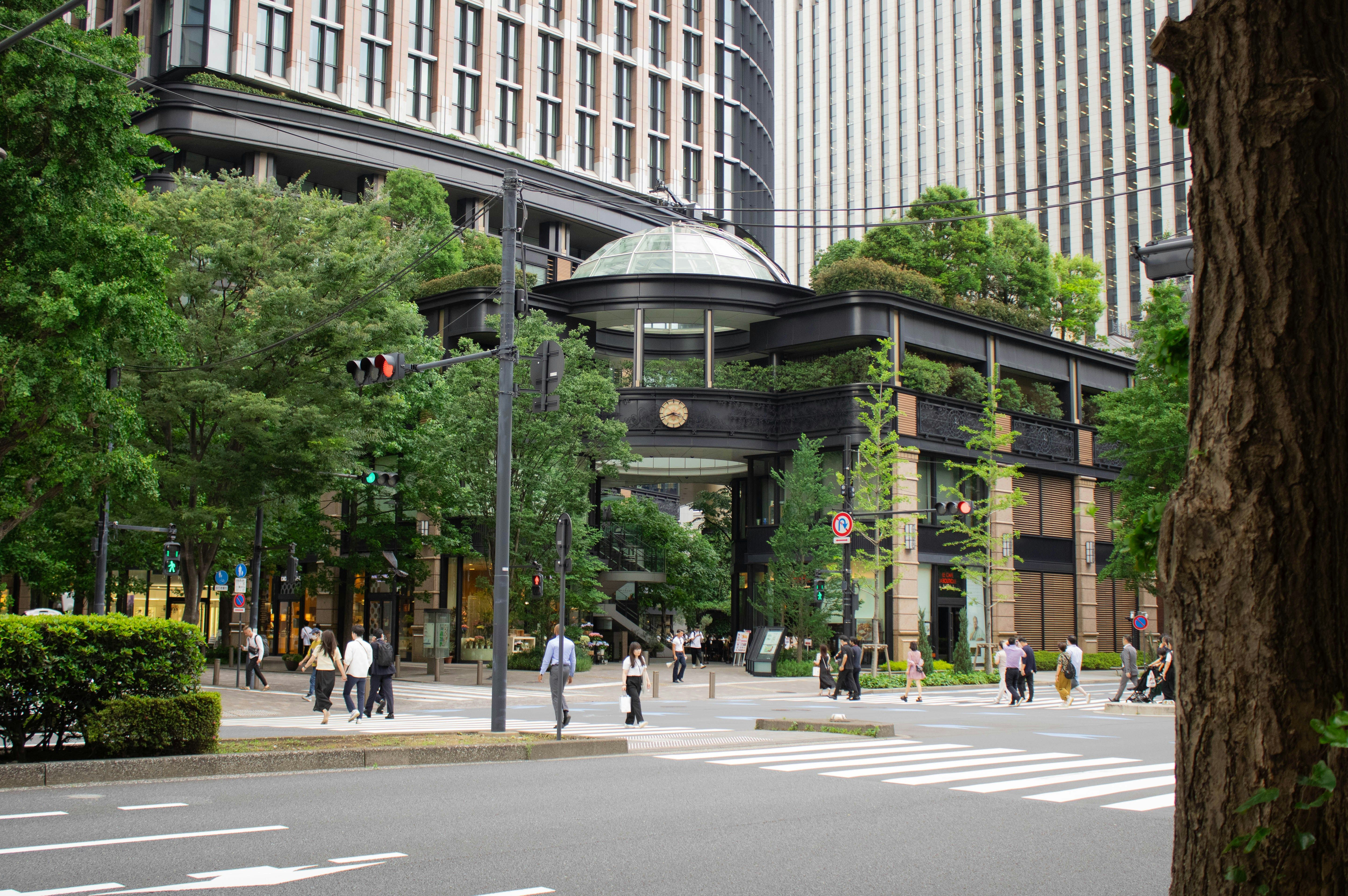
Chiyoda-ku
Use it less as a ward target and more as a commute reference.
Area Guides
Start with the 23 wards, open the places that feel close to your life, then use commute or lifestyle angles only when you are still unsure.
Open any ward, compare its life areas, then return to Rent when you know what to keep broad and what to narrow.
Use it less as a ward target and more as a commute reference.
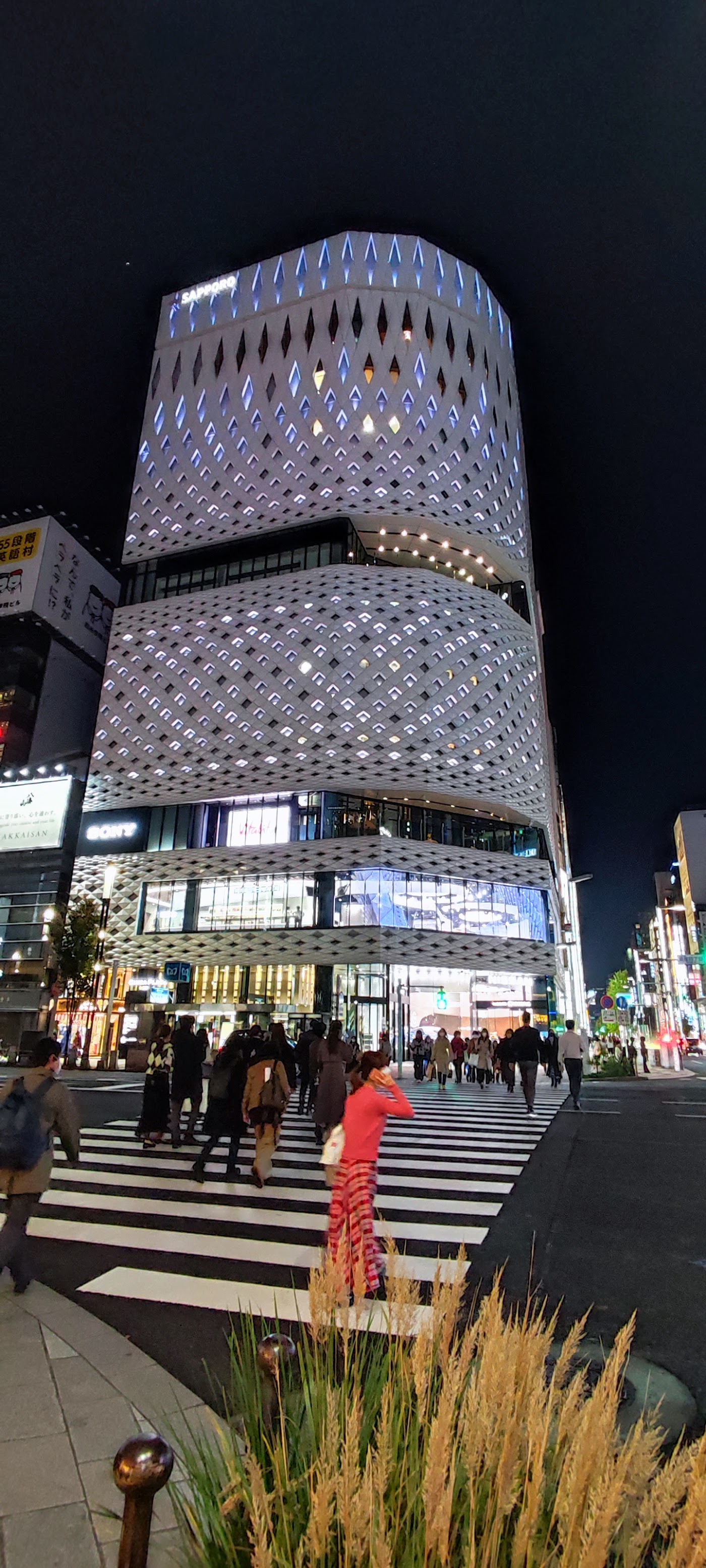
Check central work access and waterfront options together.
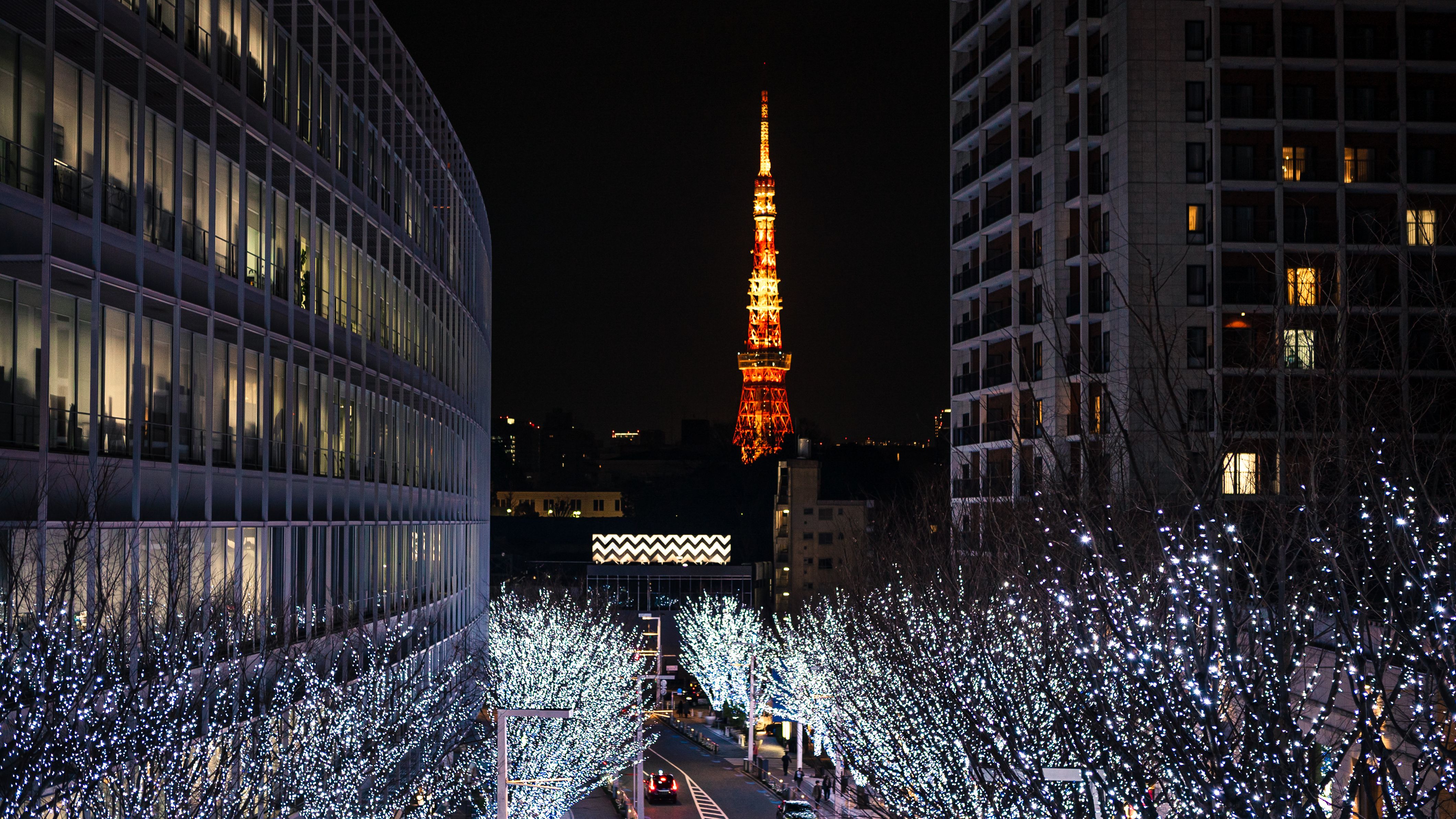
Choose the Minato street, not just the Minato address.
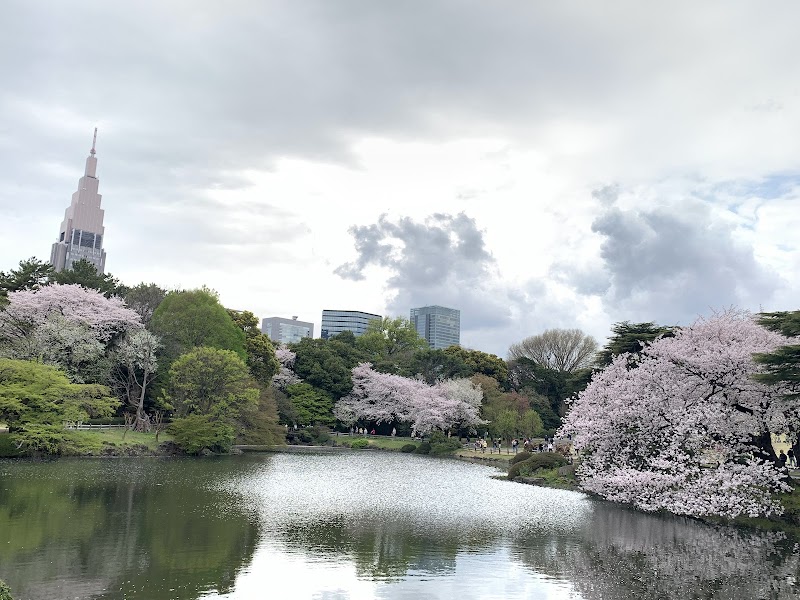
Use Shinjuku for access. Choose the area for daily life.
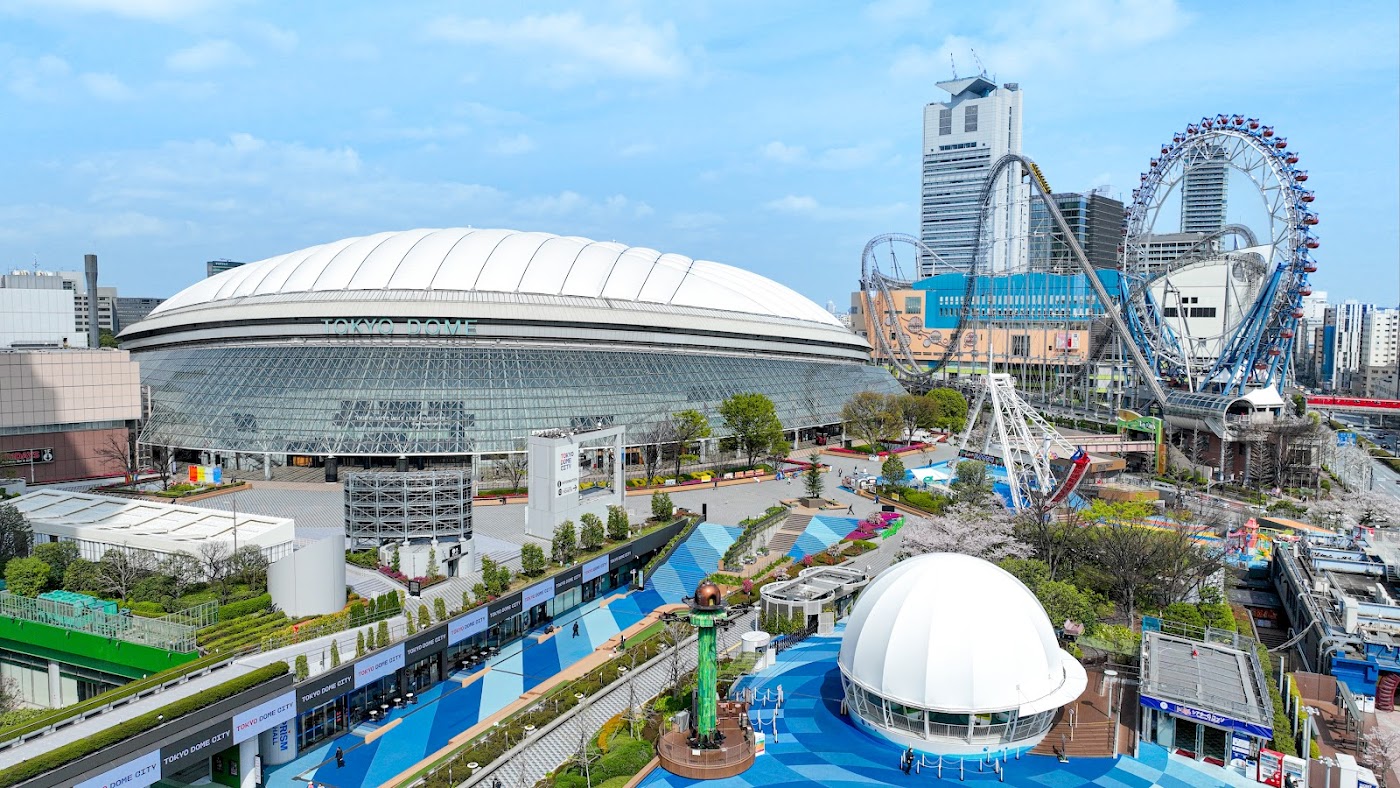
Judge calm central access by daily practicality, not flashiness.

Taito is central, but the daily mood is east-side local.
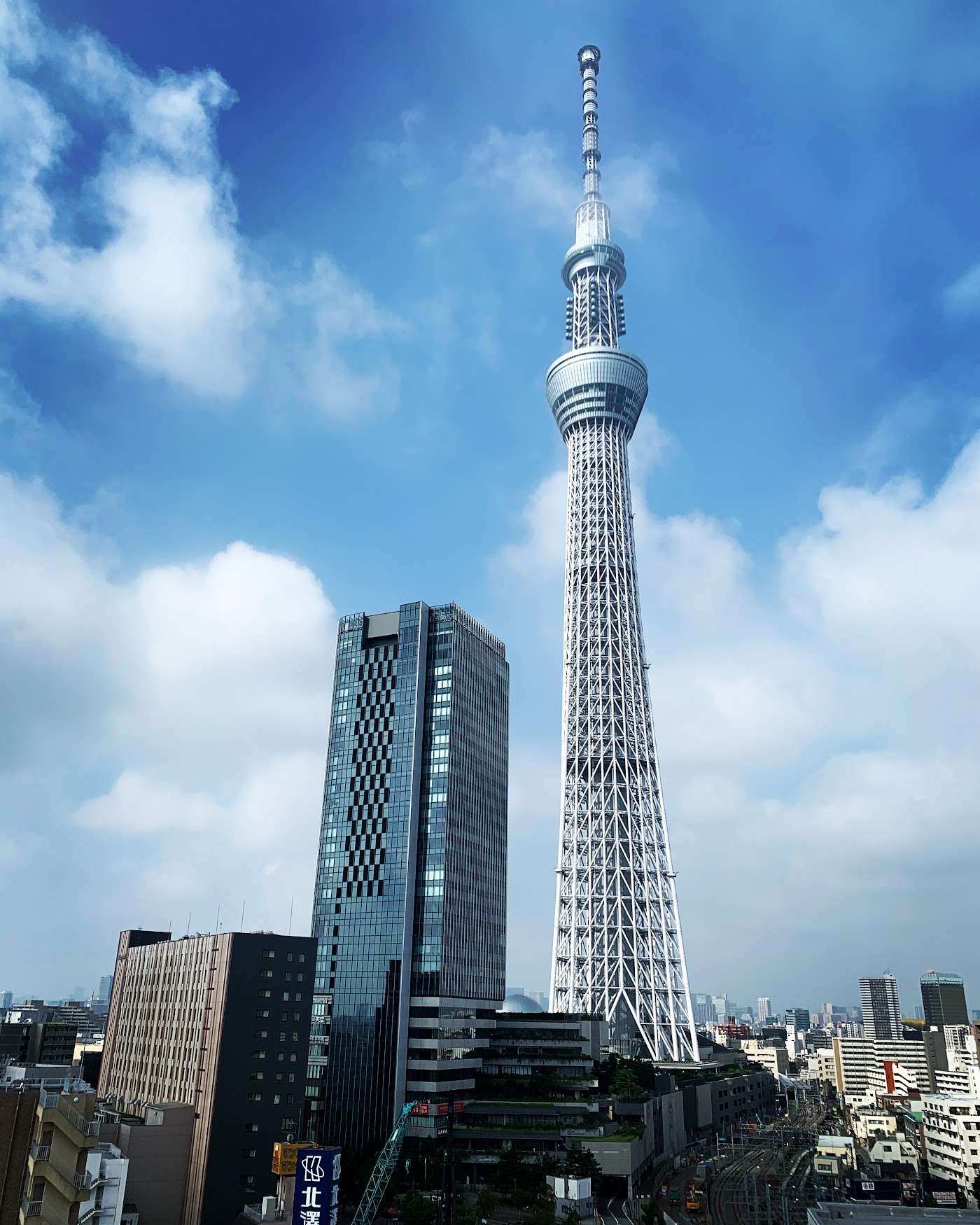
Sumida is for east-side access without overpaying for the name.
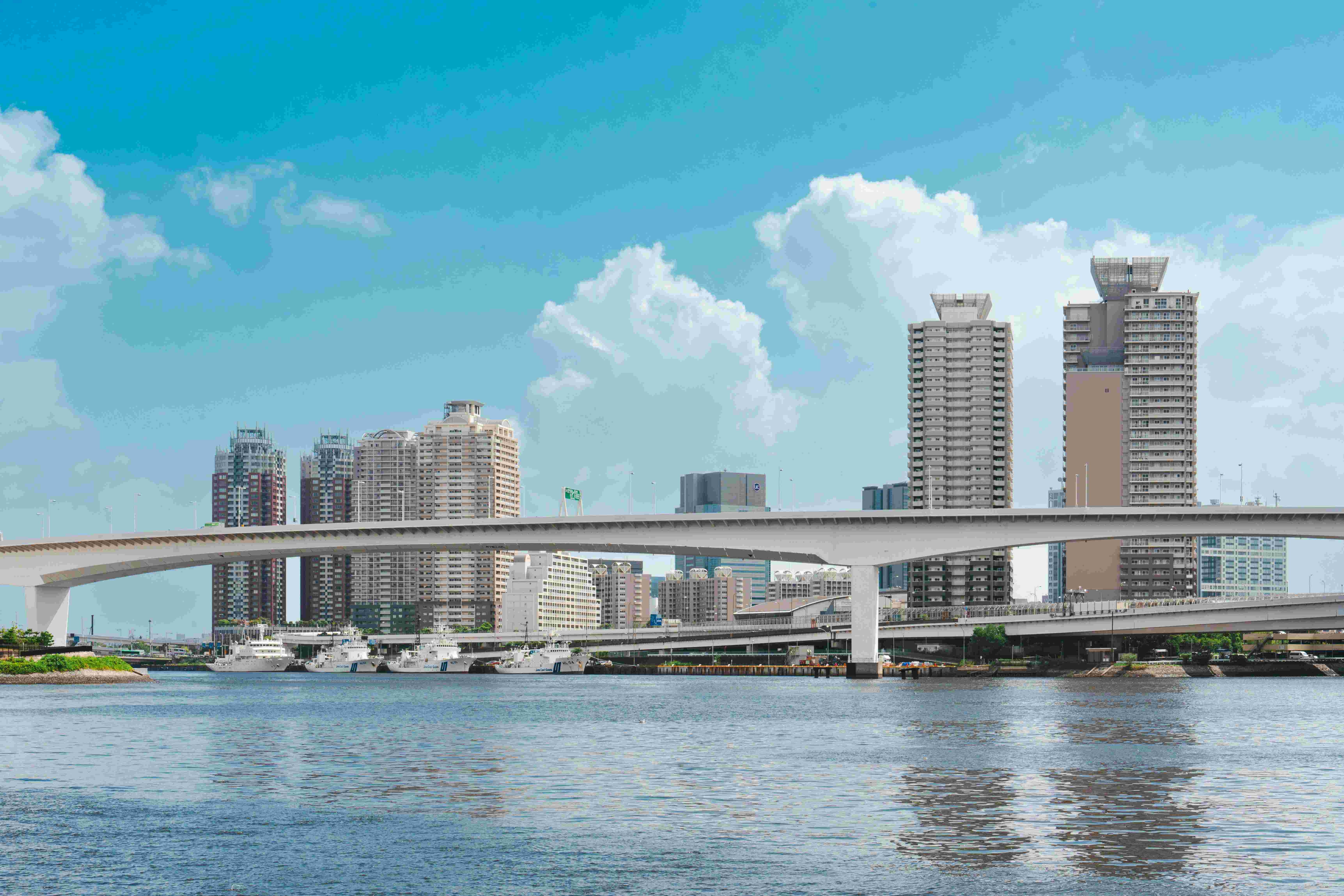
Look for space and newer-feeling homes without losing city access.
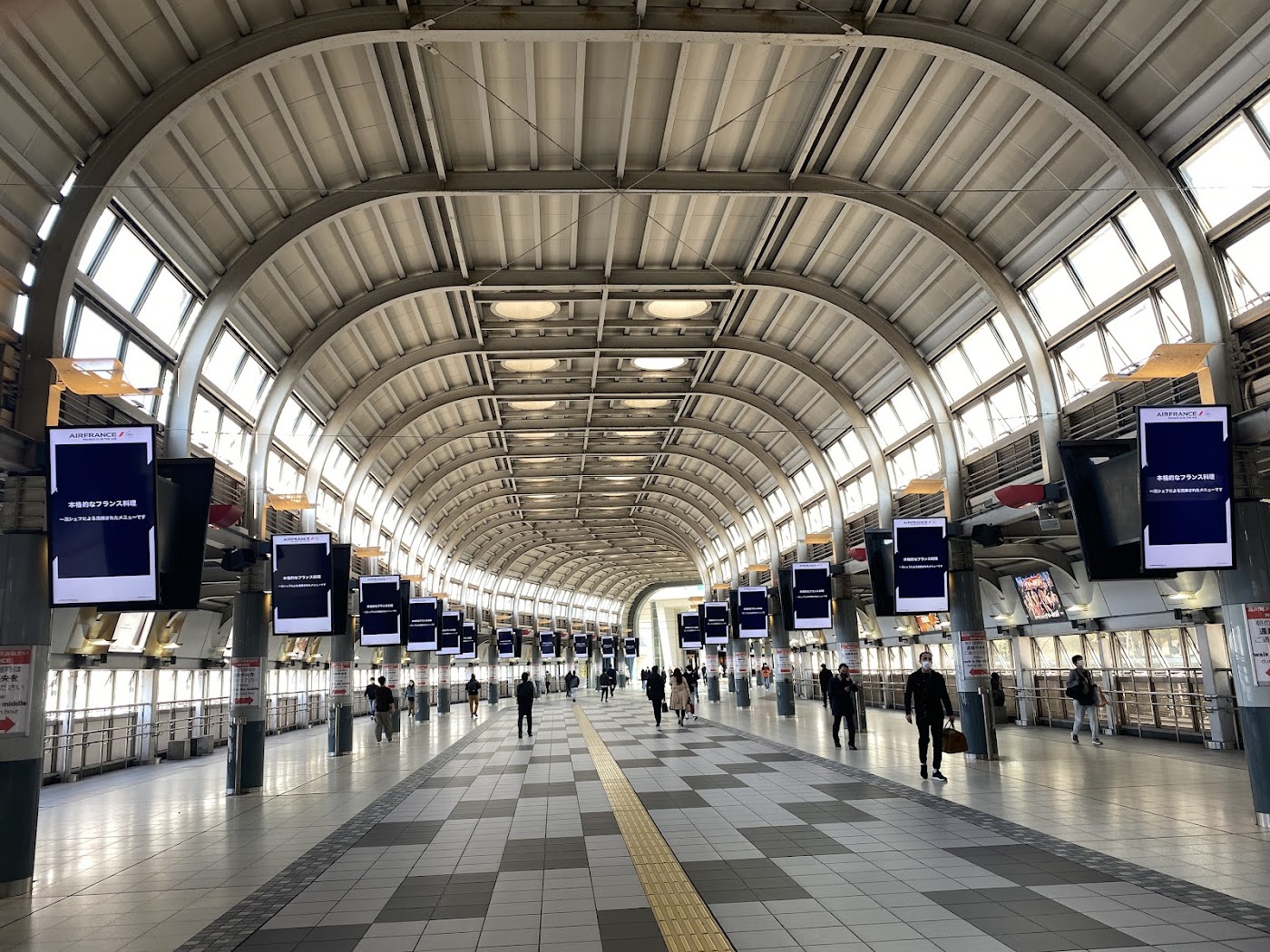
Choose it for mobility, then judge daily life station by station.

Borrow the famous lifestyle, live one step calmer.
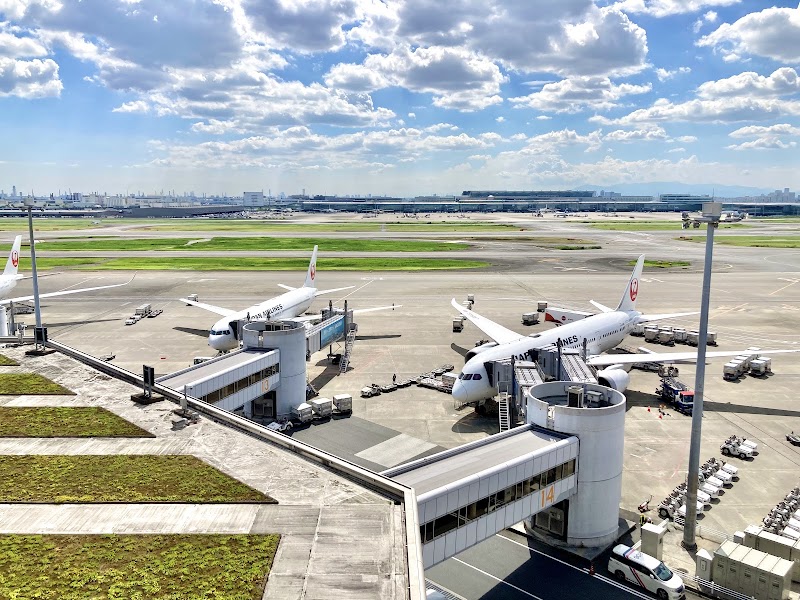
Use Ota when south-side movement matters.
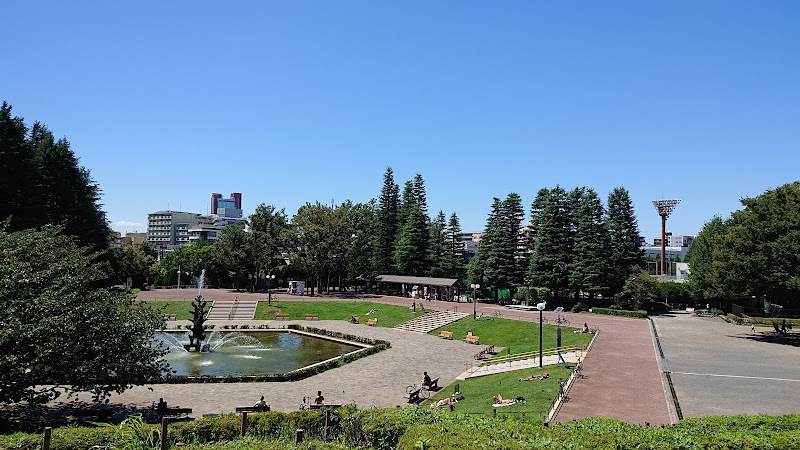
Keep Shibuya close, then judge space and calm daily life.
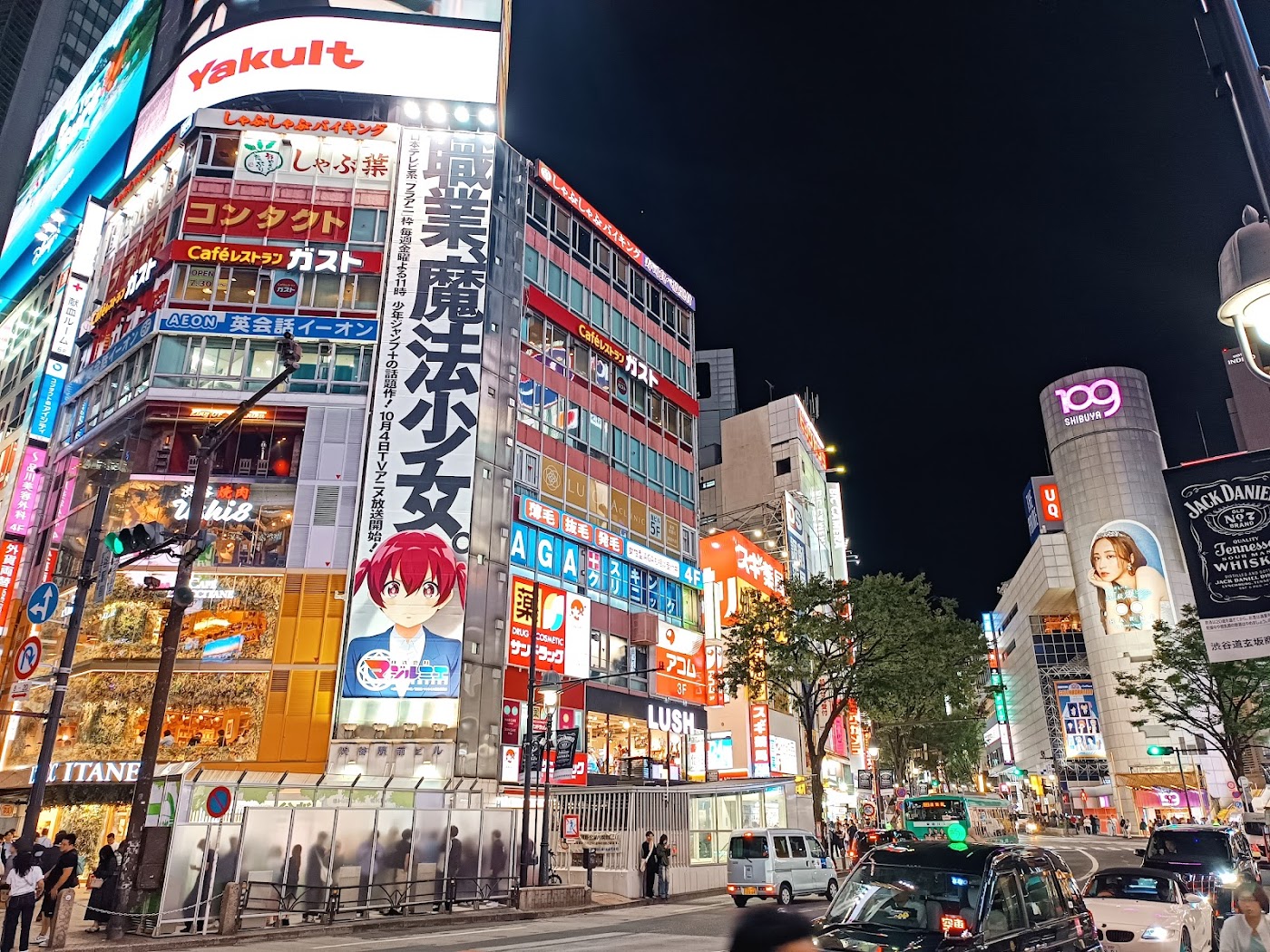
Use Shibuya as the lifestyle image, then search wider before narrowing.
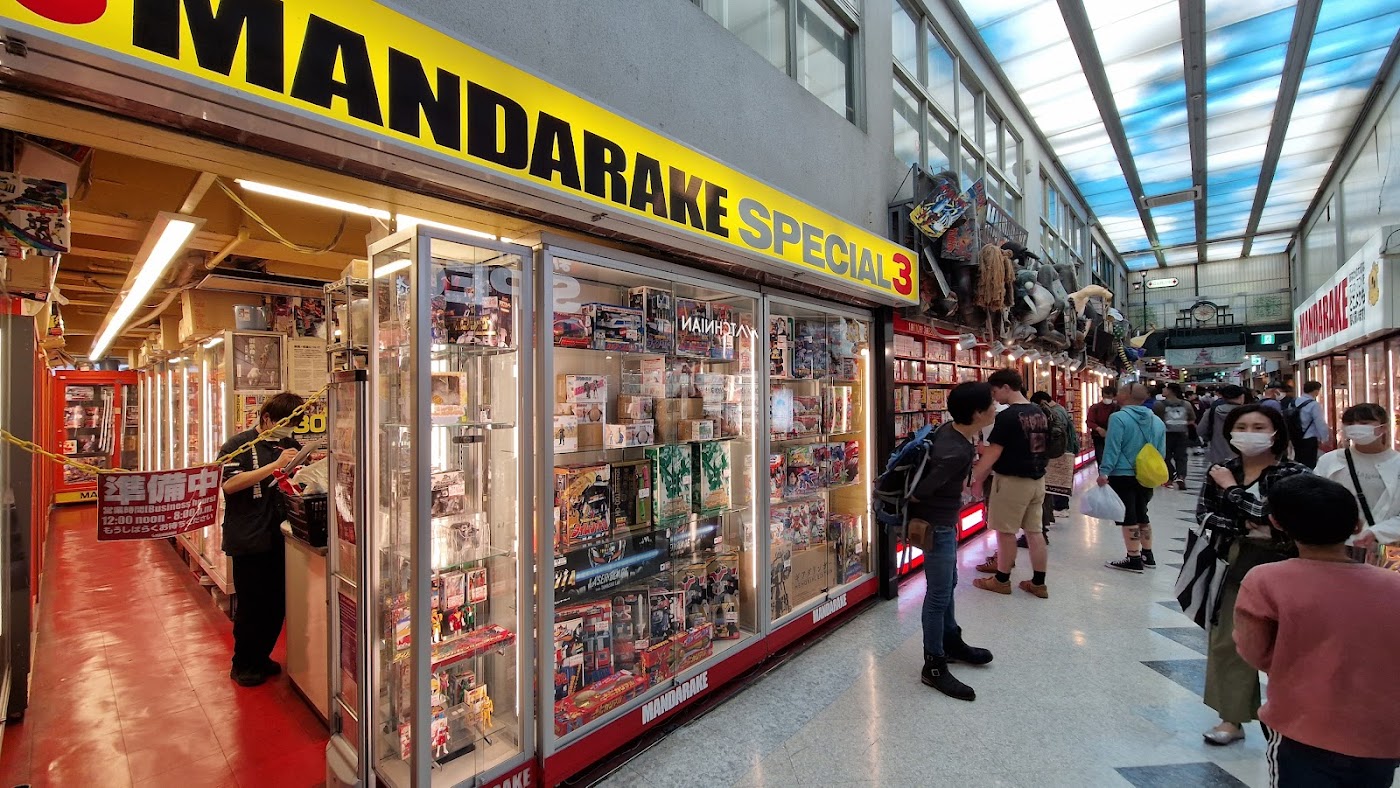
Keep Shinjuku access while widening into practical choices.

Use west-side livability to balance rent and space.
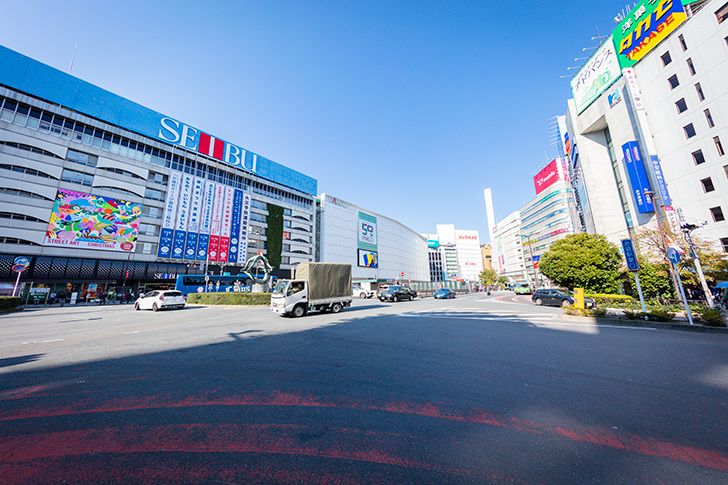
Use Ikebukuro access as the starting point, then keep northern options open.
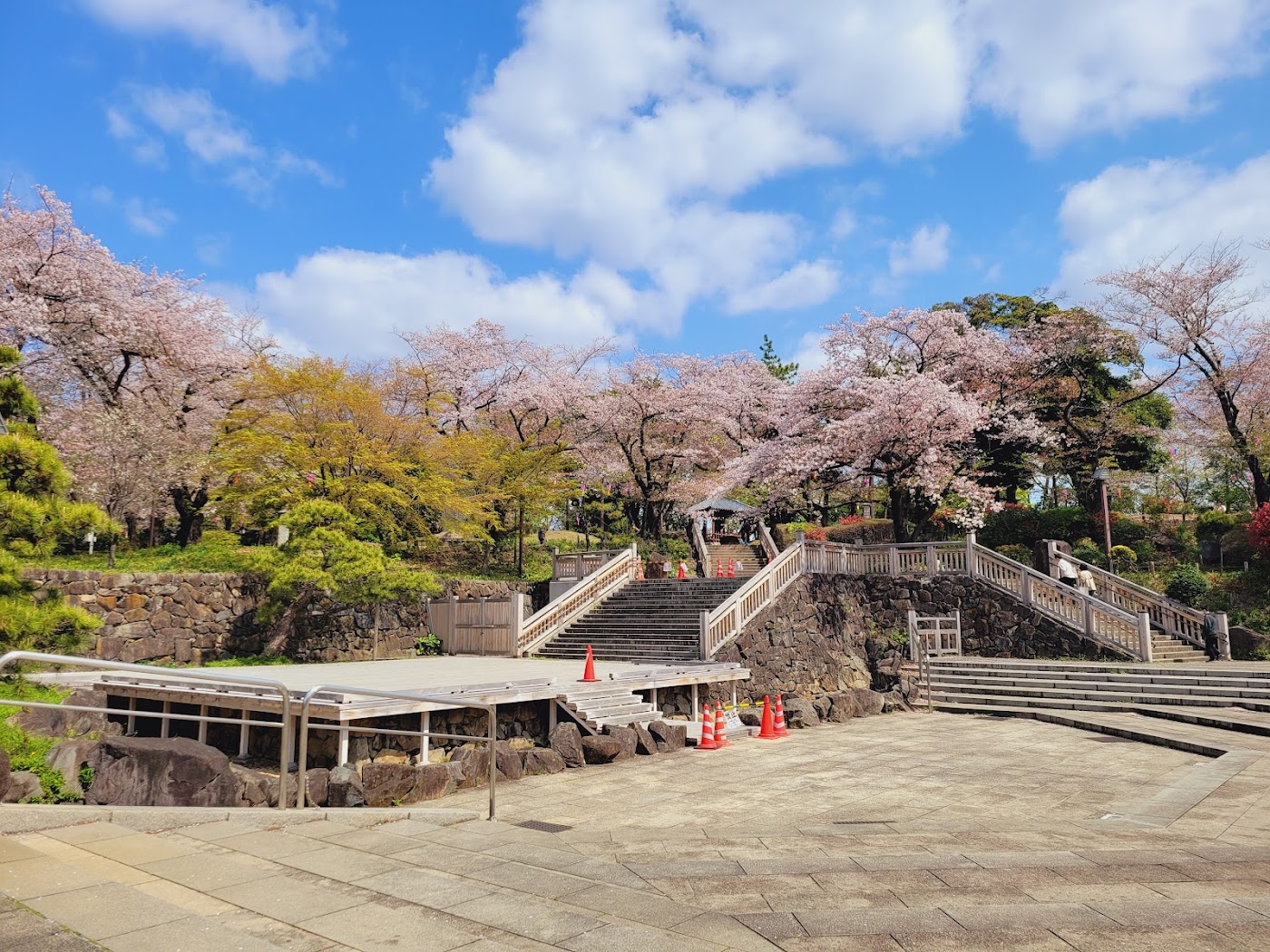
Kita keeps JR access while widening the budget.
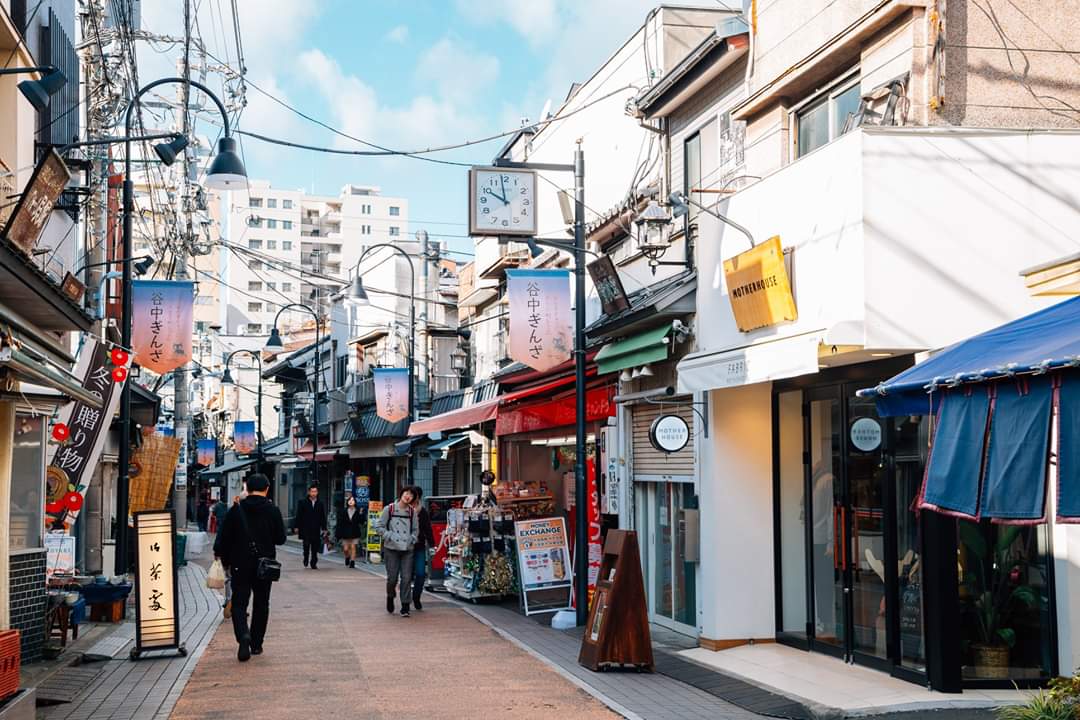
Arakawa is a practical way to keep access without chasing famous names.
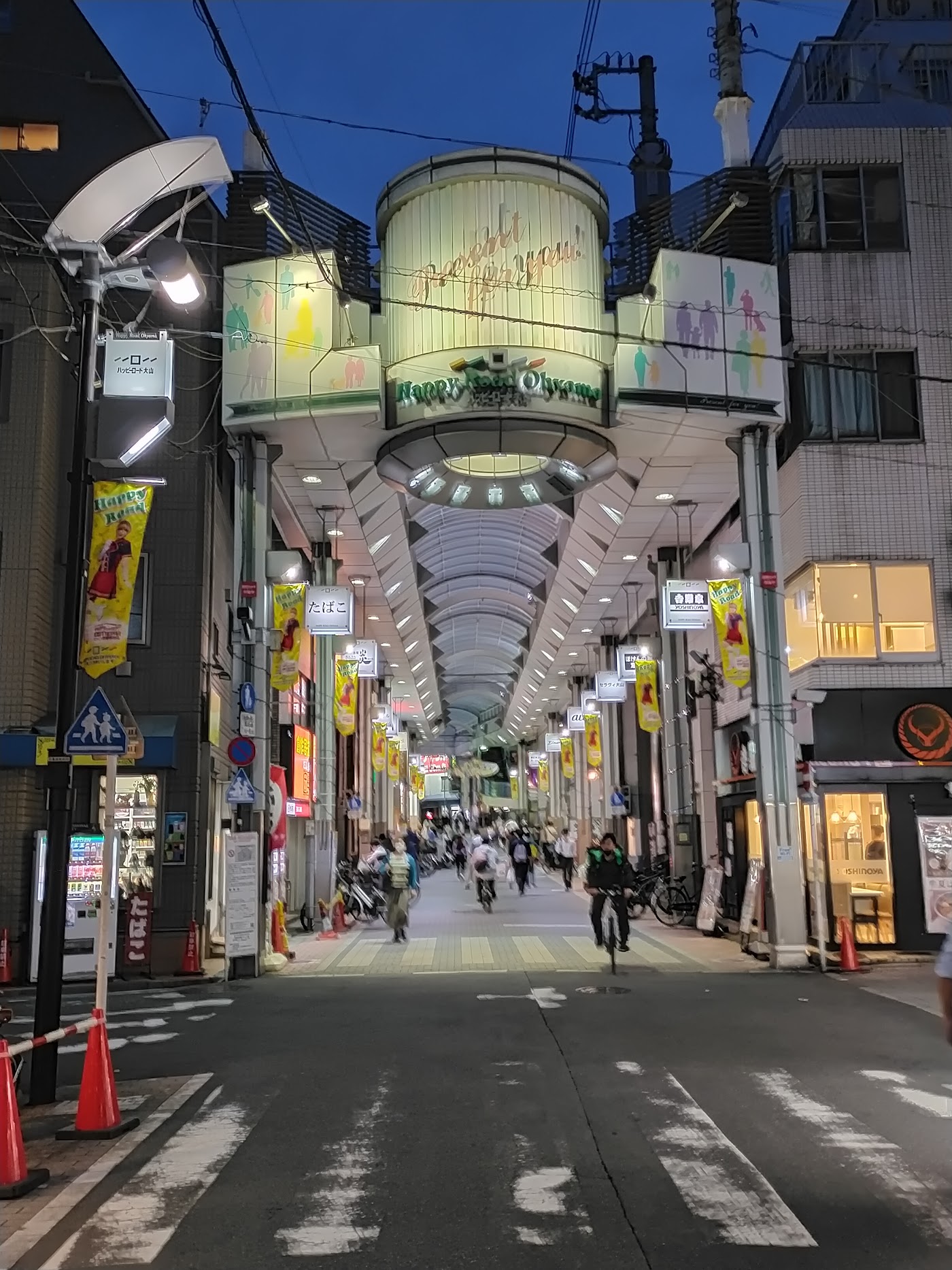
Itabashi helps when central search gets too tight.
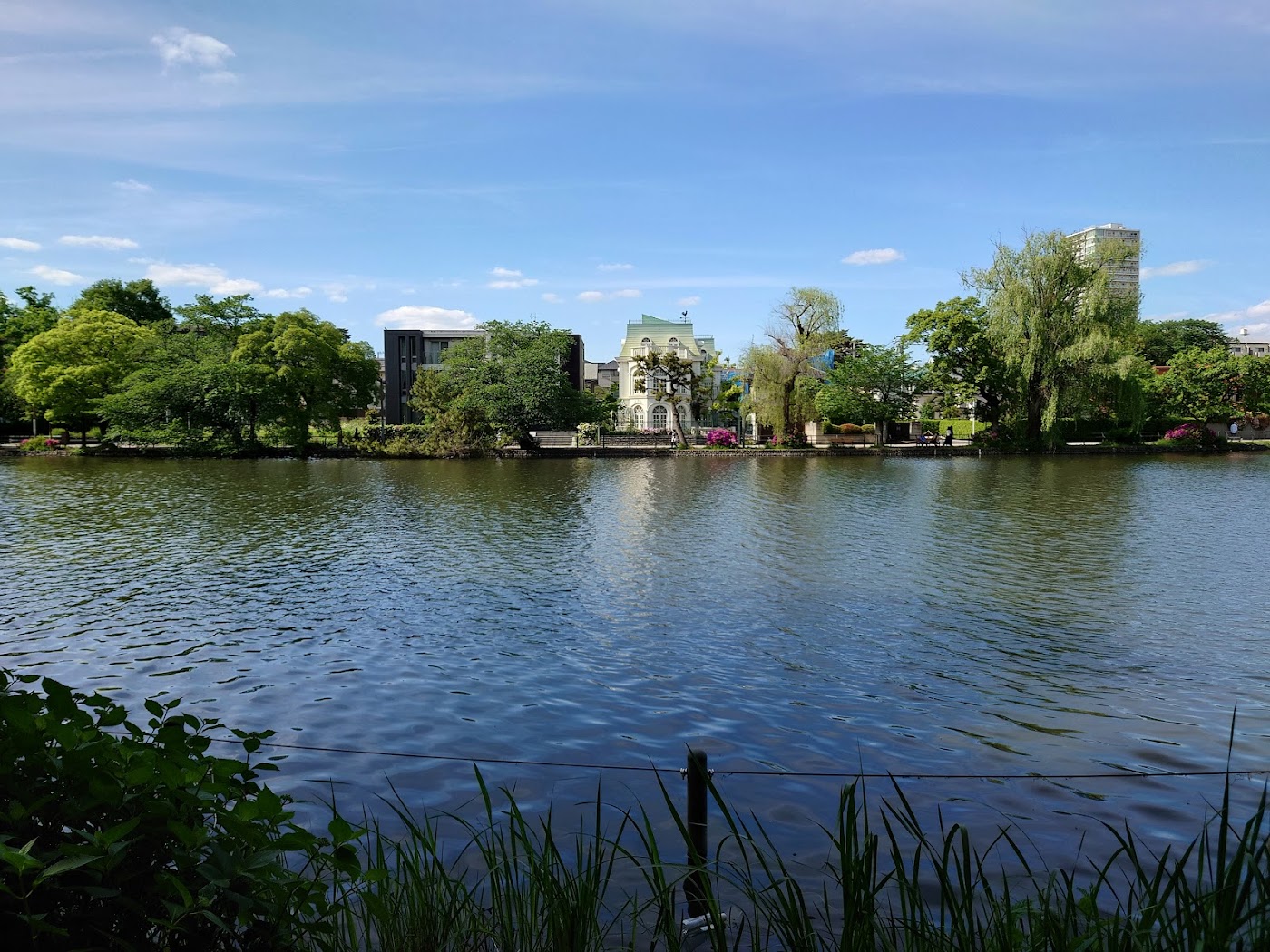
Nerima is for space and parks before giving up the city.
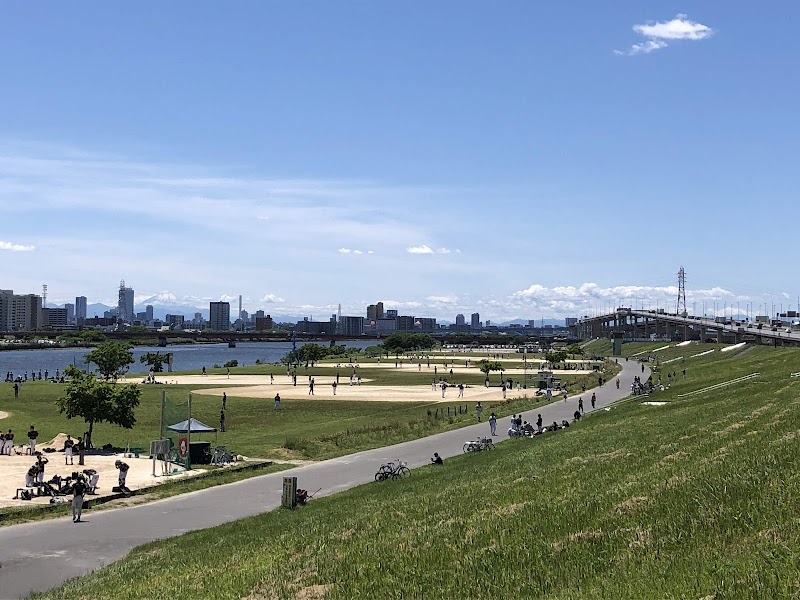
Adachi is a budget expansion only when the route works.
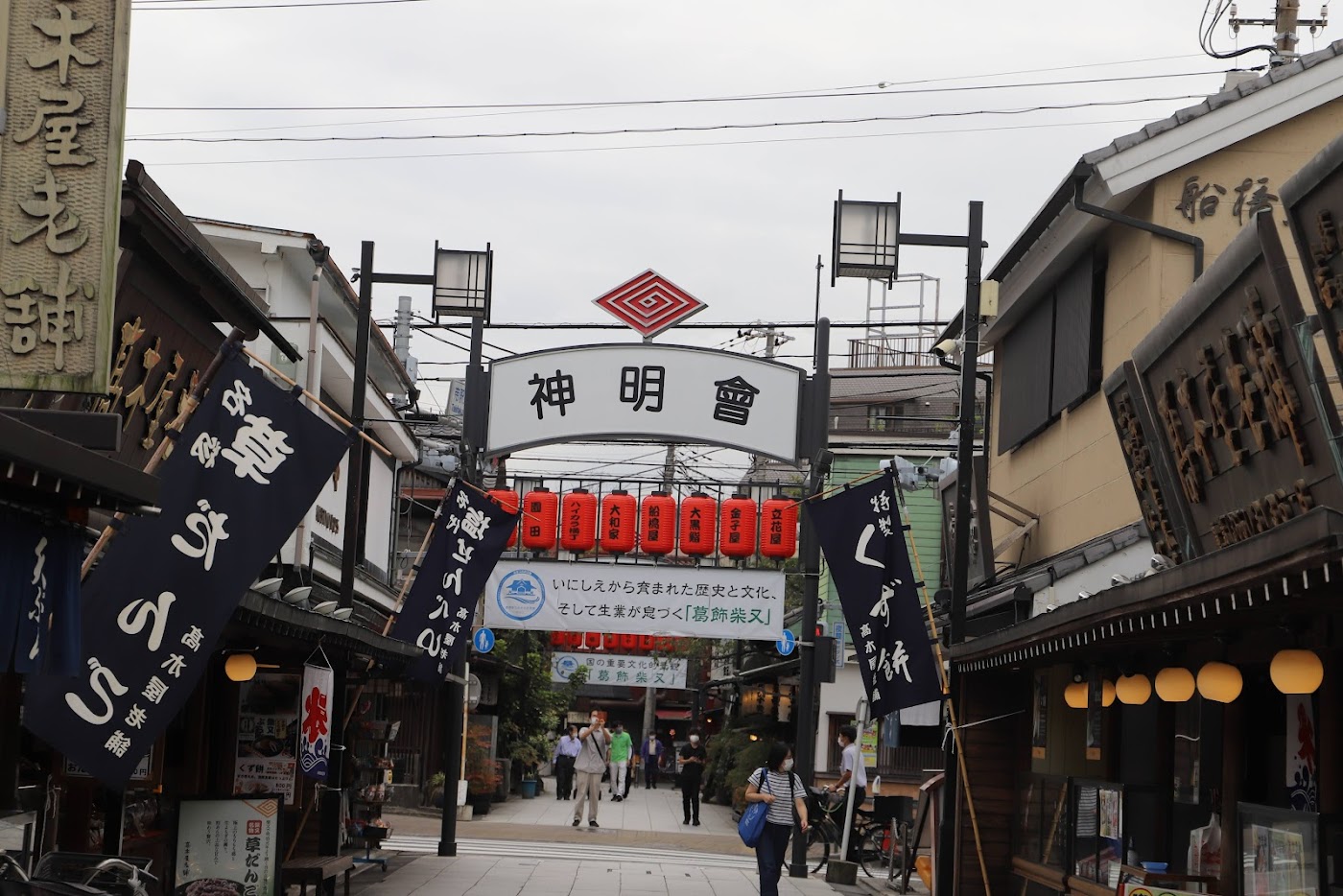
Katsushika is for east-side local life and room balance.

Edogawa is for space and family routines on the east side.
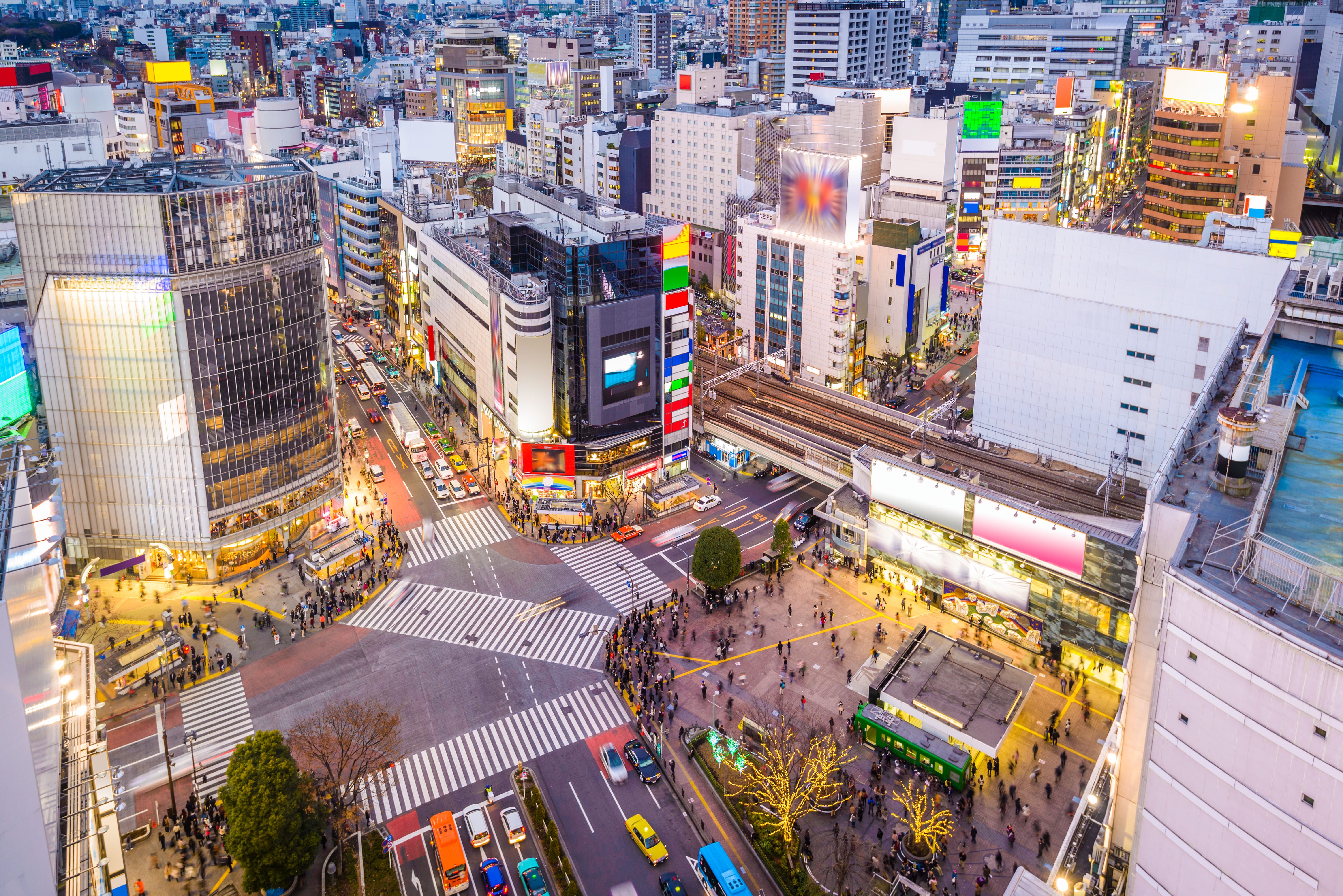
Start with Shibuya, then compare nearby Meguro, Setagaya, and Shinagawa-side options before narrowing too far.
Open Shibuya guideWhen an area feels right, confirm it with current rooms. If choices are thin, widen nearby areas before giving up important conditions.
Use these when a ward name is not enough yet. Start broad, then adjust wards or stations after seeing current rooms.
Use this when you want to compare a broad Tokyo area before choosing one ward.
Broad 13-ward start
A broad entry set for international renters: Minato, Shibuya, Meguro, Setagaya, Shinjuku, Nakano, Suginami, Toshima, Bunkyo, Chiyoda, Chuo, Koto, and Shinagawa. Use it when the goal is to keep enough realistic options before narrowing.
Start broad, keep supply, then remove bad-fit wards
See this angleCentral 8 wards / corporate
A narrower starting set for higher-budget, corporate, or recognizable central-address searches: Minato, Shibuya, Meguro, Shinjuku, Shinagawa, Chuo, Koto, and Chiyoda.
Narrow only when budget or corporate fit is realistic
See this angleUse these when commute, lifestyle access, or a familiar station name is the clearer starting point.
Shibuya access
For Shibuya, Ebisu, Meguro, Nakameguro, Sangenjaya, and adjacent Yamanote / metro stops. Good as a first direction when a single Shibuya-station search is too narrow.
Keep nearby Shibuya-side stations too
See this angleShinjuku access
Shinjuku-side Yamanote, Chuo, Sobu, Marunouchi, and nearby west-side stations. Useful when Shibuya-side choices are too thin or expensive.
Practical west-side fallback from Shibuya
See this angleTokyo / Otemachi access
Tokyo, Otemachi, Nihombashi, Kanda, and nearby direct-access stations. Useful when commute is the clearest anchor.
Use office access before choosing lifestyle wards
See this angleRoppongi / Azabu access
Roppongi, Azabu-Juban, Akasaka, Omotesando, Ebisu, and nearby metro-access stations. Useful for corporate or international-area searches.
Do not narrow to one premium station first
See this angle