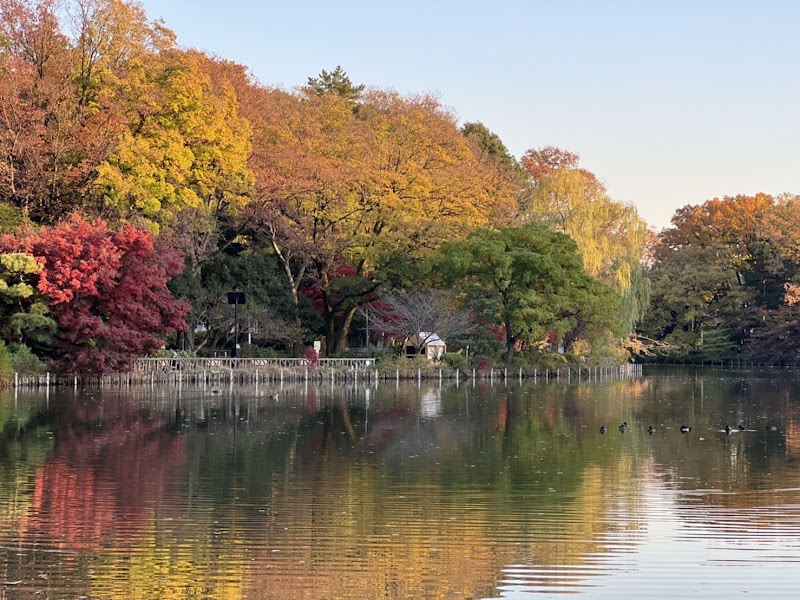
Suginami-ku

Suginami-ku

Use west-side livability to balance rent and space.

Ogikubo, Asagaya, and Koenji are useful west-side lifestyle comparisons.

Start broad

Suginami-ku

Keep choices open

Inside the ward

3

Compare neighborhoods

If unsure

Look nearby

Look nearby

Next action

Rentals

Open current rooms

I

Choose where to start

1Start the search

Use west-side livability to balance rent and space.

Ogikubo, Asagaya, and Koenji are useful west-side lifestyle comparisons.

(1)

Why it can be a starting point

Ogikubo, Asagaya, and Koenji are useful west-side lifestyle comparisons.

(2)

Do not narrow too early

Do not make commute time or station walk too strict too early.

(3)

Where to widen next

Compare Nakano, Setagaya, and Shinjuku-side choices.

II

Compare daily-life areas

3Commute and routes

Commute and movement

Judge the ward by where you actually go, not only by the address name.

Search from your destination

Where should you keep open?

Pick a real destination, then compare the route and the places worth keeping before you narrow the rental search.

Times are daytime references for choosing where to start. Current rooms are checked in Rent.

West-side office route

Shinjuku

about 10 min

Direct

Route

1

JC JR Chuo Line

Ogikubo and Koenji keep Shinjuku close

Lines and places to compare

(1)

Ogikubo / Nishi-ogikubo

Good for Chuo Line access with calmer daily streets and weekend routines.

(2)

Asagaya / Koenji

Use it when food, personality, and walkable local streets matter.

(3)

Honancho / Eifukucho

A quieter west-side route when Chuo Line choices are too crowded or expensive.

4Daily-life areas

Compare daily-life areas

The same ward can feel very different by station. Use the photos to choose what to check next.

6Daily-life check

Daily life changes inside the ward

Ogikubo, Asagaya, and Koenji are useful west-side lifestyle comparisons.

(1)

Ogikubo and Nishi-ogikubo are good when Chuo Line convenience and calm daily life should both stay visible.

(2)

Asagaya and Koenji are stronger for food, local personality, and streets you use often.

(3)

Honancho and Eifukucho are useful when you want quieter west-side life without only chasing Chuo Line names.

(4)

A slightly longer commute can be worth it if the room size, calm, and daily streets improve.

III

Return to rentals and decide

5Search range

choose the search range in Suginami-ku

Compare Nakano, Setagaya, and Shinjuku-side choices.
Search rentals

What to keep before opening rentals

Choose what matters first so you do not remove good rooms too early.

(1)

Balance commute and calm

Suginami works when west-side calm is worth comparing against a slightly longer ride.

(2)

Pick the street mood

Koenji, Asagaya, Ogikubo, and Nishi-ogikubo do not feel the same even on the same line.

(3)

Keep the west-side backups

Honancho and Eifukucho help when Chuo Line choices become too narrow.

7Final judgment

Quick judgment

(1)

Should I search only Chuo Line?

Start there if it fits, but keep Honancho, Eifukucho, Nakano, and Setagaya-side choices open before dropping important needs.

(2)

Who should consider Suginami?

People who want west-side daily life, food, calm streets, and better rent or size balance than central names.

(3)

What should I check first?

Compare commute line, station walk, and daily street mood before narrowing by one famous station.

If it feels right, check current rooms

Open rentals with the ward kept broad. Narrow by station only after you see how many choices remain.