Shinagawa-ku

Shinagawa-ku

Choose it for mobility, then judge daily life station by station.

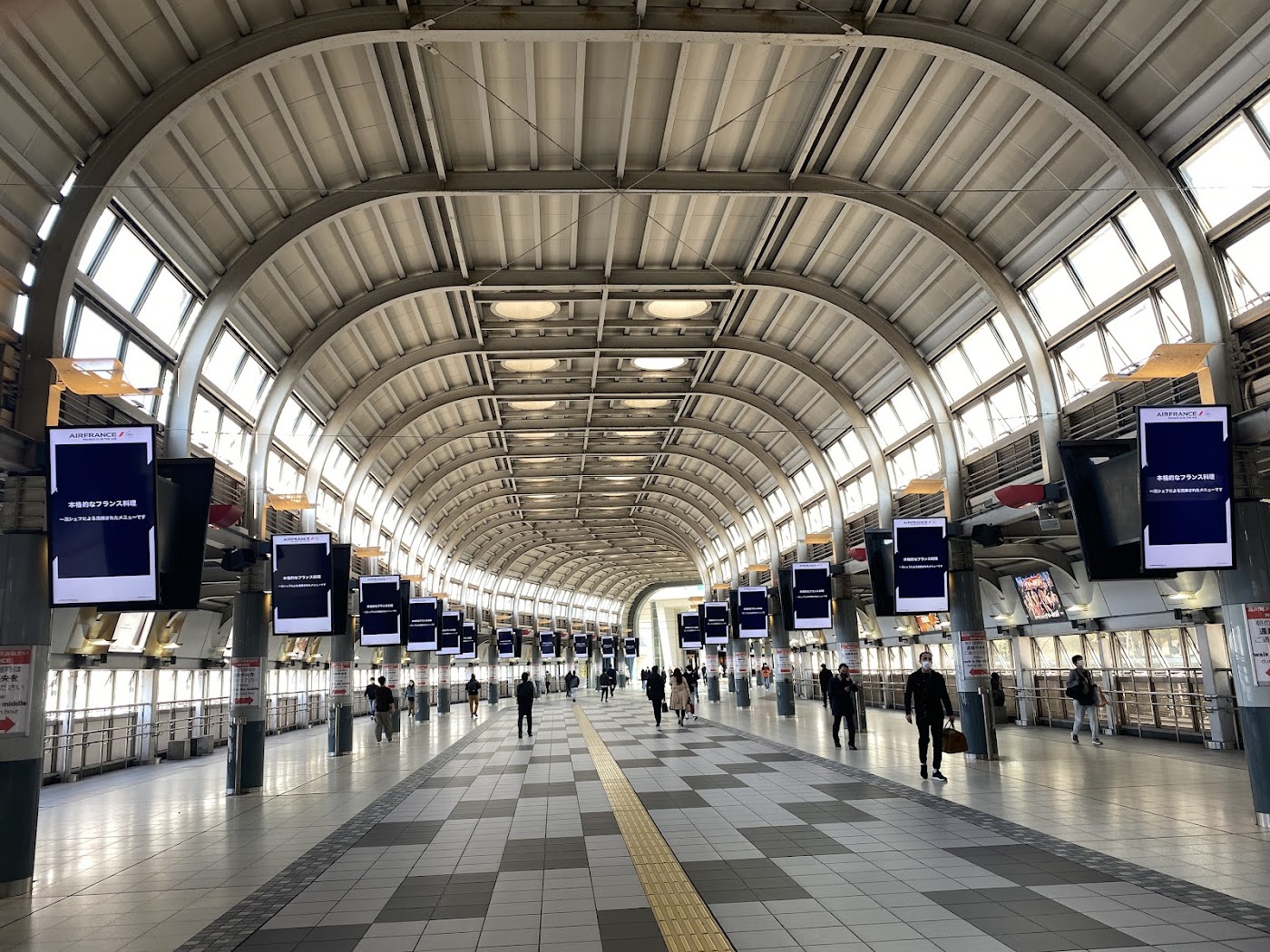
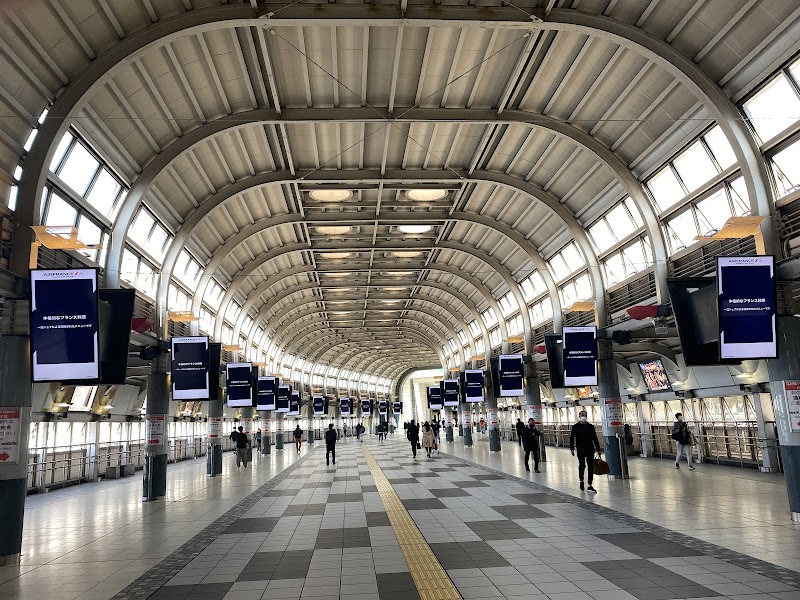
Shinagawa, Gotanda, Osaki, and Oimachi are useful for trains, airport access, and work.

Start broad

Shinagawa-ku

Keep choices open

Inside the ward

3

Compare neighborhoods

If unsure

Look nearby

Look nearby

Next action

Rentals

Open current rooms

I

Choose where to start

1Start the search

Choose it for mobility, then judge daily life station by station.

Shinagawa, Gotanda, Osaki, and Oimachi are useful for trains, airport access, and work.

(1)

Why it can be a starting point

Shinagawa, Gotanda, Osaki, and Oimachi are useful for trains, airport access, and work.

(2)

Do not narrow too early

Bay, JR, and Tokyu-side daily life can feel very different.

(3)

Where to widen next

Compare Minato, Meguro, and Chuo-side choices.

II

Compare daily-life areas

3Commute and routes

Commute and movement

Judge the ward by where you actually go, not only by the address name.

Search from your destination

Where should you keep open?

Pick a real destination, then compare the route and the places worth keeping before you narrow the rental search.

Times are daytime references for choosing where to start. Current rooms are checked in Rent.

Central office and Shinkansen comparison

Tokyo / Otemachi

about 11 min

Direct

Route

1

JY JR Yamanote Line

Direct northbound ride from Shinagawa

Lines and places to compare

(1)

Yamanote / Osaki side

Good for Gotanda, Osaki, Meguro, and office mobility without leaving the west/south side.

(2)

Shinagawa / Keikyu side

Use this when Shinkansen, Haneda, or south-side travel matters.

(3)

Oimachi / Tokyu side

Keeps practical shopping, local streets, and calmer residential options open.

4Daily-life areas

Compare daily-life areas

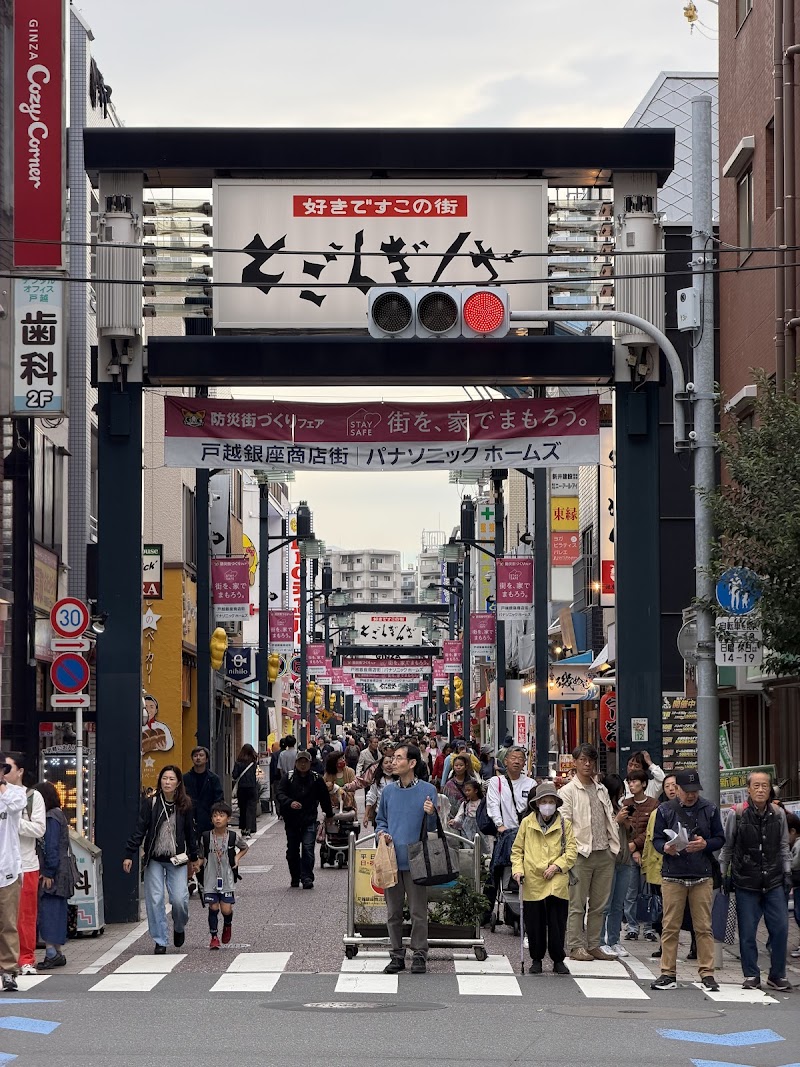
The same ward can feel very different by station. Use the photos to choose what to check next.

6Daily-life check

Daily life changes inside the ward

Shinagawa, Gotanda, Osaki, and Oimachi are useful for trains, airport access, and work.

(1)

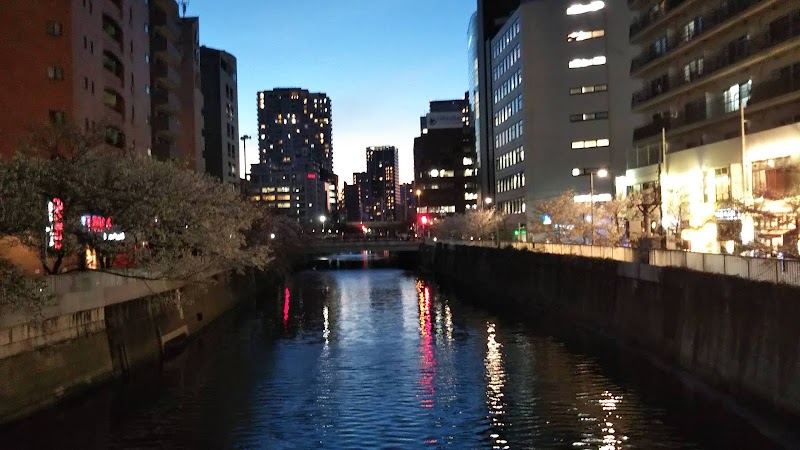
Gotanda and Osaki are practical, but the street feeling changes quickly by exit and river side.

(2)

Oimachi keeps trains, shopping, and daily errands together without relying only on Shinagawa Station.

(3)

Togoshi and Hatanodai are better for local streets and calm than for airport-name recognition.

(4)

If the room feels too business-heavy, compare Meguro or Minato-side choices before narrowing.

III

Return to rentals and decide

5Search range

choose the search range in Shinagawa-ku

Compare Minato, Meguro, and Chuo-side choices.
Search rentals

What to keep before opening rentals

Choose what matters first so you do not remove good rooms too early.

(1)

Start from Gotanda / Osaki

Shinagawa, Gotanda, Osaki, and Oimachi are useful for trains, airport access, and work.

(2)

Check before narrowing

Bay, JR, and Tokyu-side daily life can feel very different.

(3)

Compare nearby choices

Compare Minato, Meguro, and Chuo-side choices.
7Final judgment

Quick judgment

(1)

Should I search only Shinagawa-ku?

Compare Minato, Meguro, and Chuo-side choices.
(2)

Which area should I compare first?

Shinagawa, Gotanda, Osaki, and Oimachi are useful for trains, airport access, and work.

(3)

What should I check before deciding?

Bay, JR, and Tokyu-side daily life can feel very different.

If it feels right, check current rooms

Open rentals with the ward kept broad. Narrow by station only after you see how many choices remain.